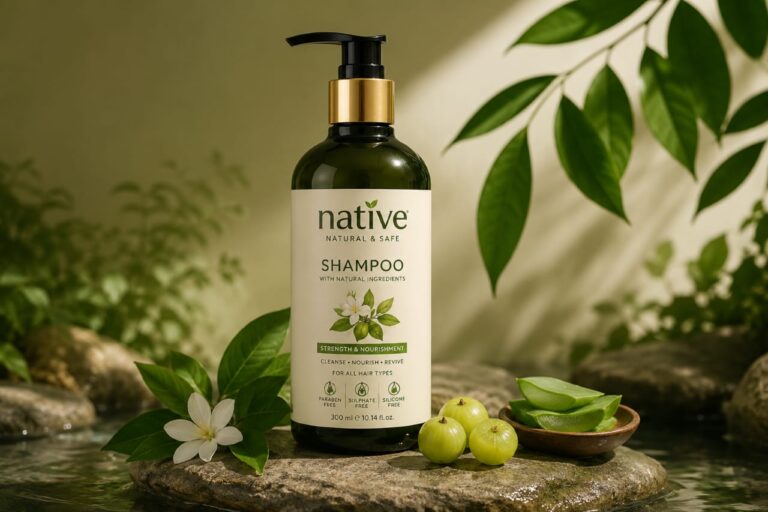
What Is Native Shampoo?
Native Shampoo is a sulfate-free hair care product designed to cleanse hair gently while avoiding many ingredients that consumers commonly try to avoid, including sulfates, parabens, silicones, and synthetic dyes. The brand has become popular among shoppers looking for a simpler approach to personal care, thanks to its minimalist formulas, recognizable scents, and clean-label marketing.
Over the past few years, Native has expanded beyond deodorants into a broader range of personal care products, including shampoos and conditioners. Its hair care line is often promoted as a gentler alternative to traditional shampoos that rely on stronger cleansing agents. But does it live up to the hype?
This guide takes an in-depth look at Native Shampoo, including its ingredients, benefits, potential drawbacks, hair type compatibility, and frequently asked questions.
Key Features of Native Shampoo
Sulfate-Free Cleansing Formula
One of the biggest selling points of Native Shampoo is that it does not contain common sulfates such as sodium lauryl sulfate (SLS) or sodium laureth sulfate (SLES). Instead, the formula relies on milder cleansing agents that help remove dirt and oil without aggressively stripping the scalp’s natural moisture.
For people with dry, color-treated, or sensitive hair, sulfate-free shampoos are often preferred because they tend to be less drying than traditional formulas. For more insights read here:-wyll meaning.
Free From Several Common Ingredients
Native markets its shampoo as being free from:
- Sulfates
- Parabens
- Silicones
- Synthetic dyes
This ingredient philosophy appeals to consumers who prefer simplified formulations and want to avoid ingredients that sometimes cause irritation or buildup.
Variety of Scents
The brand offers several fragrance options, including popular varieties such as Coconut & Vanilla, Cucumber & Mint, Almond & Shea Butter, and other seasonal scents.
These fragrances are a major reason many users choose Native products. The scents are typically noticeable without being overwhelmingly strong.
Native Shampoo Ingredients Explained
Mild Surfactants
Instead of harsh detergents, Native uses gentler cleansing ingredients such as sodium cocoyl isethionate and other sulfate-free surfactants. These ingredients create lather while helping maintain moisture in the hair and scalp.
Because these cleansers are milder, some users find the shampoo less stripping than traditional drugstore formulas.
Conditioning Ingredients
Many Native formulas include conditioning agents that help improve softness and manageability after washing. While the shampoo itself is designed primarily for cleansing, these ingredients can help reduce dryness during the washing process.
The formula is generally lightweight, which can be beneficial for users who dislike heavy residue.
Fragrance Components
Most Native Shampoo variants contain fragrance. While many customers enjoy the scents, fragrance-sensitive individuals may want to review ingredient labels carefully before purchasing.
Unscented options may be a better choice for those with highly reactive scalps or known fragrance sensitivities.
Benefits of Using Native Shampoo
Gentle Daily Cleansing
Many users choose Native because it provides effective cleansing without the intense “squeaky clean” feeling associated with stronger sulfate shampoos.
This can be especially helpful for people whose hair feels dry or brittle after washing.
Suitable for Color-Treated Hair
Because it is sulfate-free, Native Shampoo is often considered a color-friendly option. Harsh detergents can sometimes accelerate color fading, while gentler cleansers may help preserve color-treated hair for longer.
Although no shampoo can completely prevent fading, sulfate-free formulas are commonly recommended by hair professionals for dyed hair.
Lightweight Feel
Native Shampoo generally avoids heavy silicone-based ingredients. As a result, many users report that their hair feels clean and lightweight after rinsing.
This can be particularly appealing to people who dislike product buildup.
Who Should Consider Native Shampoo?
People With Dry Hair
Dry hair often benefits from gentler cleansing products that do not aggressively remove natural oils. Native’s sulfate-free approach may help reduce the feeling of excessive dryness after washing.
Pairing the shampoo with a moisturizing conditioner can further improve results.
Individuals With Sensitive Scalps
Some users with sensitive scalps prefer sulfate-free shampoos because they may cause less irritation than stronger cleansers.
However, fragrance-sensitive individuals should still exercise caution, as scented products can trigger reactions in some people.
Color-Treated Hair Users
Hair color can fade more quickly when exposed to harsh cleansing agents. Native’s gentle cleansing system makes it a reasonable option for people who want to maintain colored hair while avoiding sulfate-based shampoos. Also explore:how old is jay cinco and aitch age.
Potential Drawbacks of Native Shampoo
May Not Clean Deeply Enough for Everyone
The same mild cleansing system that many people appreciate can be a drawback for others.
Those with very oily scalps, heavy product buildup, or frequent use of styling products may find that Native does not provide the deep-clean feeling they prefer.
In some cases, alternating with a clarifying shampoo may help.
Results Vary by Hair Type
Hair care products rarely work the same way for everyone. Some users report excellent softness and shine, while others experience flatness, greasiness, or lack of volume.
Hair texture, scalp condition, styling habits, and water quality can all influence results.
Fragrance Concerns
While fragrance is one of Native’s most popular features, it can also be a concern for people with allergies or sensitivity to scented products.
Those with reactive skin may prefer fragrance-free alternatives.
Native Shampoo for Different Hair Types
Fine Hair
People with fine hair often seek products that provide volume without weighing strands down.
Some users with fine hair report positive results, while others find that the gentle formula leaves hair feeling flat more quickly than stronger shampoos.
Curly Hair
Curly hair frequently benefits from sulfate-free cleansing because curls naturally require more moisture retention.
Many curl-focused hair routines incorporate sulfate-free shampoos, making Native a potentially suitable option for some curly hair types.
Thick or Coarse Hair
Thicker hair textures often respond well to shampoos that preserve natural moisture. Native’s gentler cleansing approach may help maintain softness while reducing dryness.
Using a rich conditioner alongside the shampoo can improve overall manageability.
Is Native Shampoo Safe?
Current evidence does not show that Native Shampoo is inherently unsafe for most users. The product uses commonly accepted cosmetic ingredients and avoids several ingredients that consumers often seek to minimize.
However, as with any personal care product, individual reactions are possible. Some users have reported scalp irritation, dryness, or increased shedding, while others report positive experiences. Hair loss and scalp issues can result from numerous factors, including genetics, stress, hormones, nutrition, medical conditions, and product sensitivity.
If irritation develops after using any shampoo, discontinuing use and consulting a dermatologist may be appropriate.
How to Get the Best Results With Native Shampoo
For optimal results:
- Thoroughly wet the hair before applying shampoo
- Massage the scalp gently rather than scrubbing aggressively
- Rinse completely to prevent residue
- Follow with a compatible conditioner
- Use a clarifying shampoo occasionally if buildup occurs
Adjusting wash frequency based on your scalp type can also improve performance.
Frequently Asked Questions
Q: Is Native Shampoo sulfate-free?
A: Yes. Native Shampoo does not contain traditional sulfates such as SLS or SLES. Instead, it uses milder cleansing agents designed to clean hair while preserving moisture.
Q: Is Native Shampoo good for color-treated hair?
A: Many people with color-treated hair choose sulfate-free shampoos because they tend to be gentler than traditional cleansing formulas. Native Shampoo is commonly used as a color-friendly option.
Q: Can Native Shampoo cause hair loss?
A: There is no definitive scientific evidence showing that Native Shampoo directly causes hair loss in the general population. Individual reactions can occur, and hair shedding may be influenced by many unrelated factors.
Q: Is Native Shampoo suitable for sensitive scalps?
A: Some people with sensitive scalps find sulfate-free formulas gentler. However, individuals sensitive to fragrance should carefully review ingredient lists before use.
Q: Does Native Shampoo work for oily hair?
A: It can work for some oily hair types, but users with very oily scalps may find that stronger cleansing shampoos provide longer-lasting freshness.
Final Thoughts
Native Shampoo has earned a loyal following by offering a sulfate-free, silicone-free, and paraben-free approach to hair care. Its gentle cleansing system, attractive fragrances, and simplified ingredient philosophy appeal to consumers looking for a milder alternative to traditional shampoos.
The product tends to perform best for people with normal, dry, color-treated, or moderately sensitive hair. Those with extremely oily scalps or heavy product buildup may prefer a stronger cleanser or occasional clarifying treatment.
As with any hair care product, the best choice depends on your individual hair type, scalp condition, and personal preferences. Evaluating how your hair responds over several weeks is often the most reliable way to determine whether Native Shampoo is the right fit for your routine.